
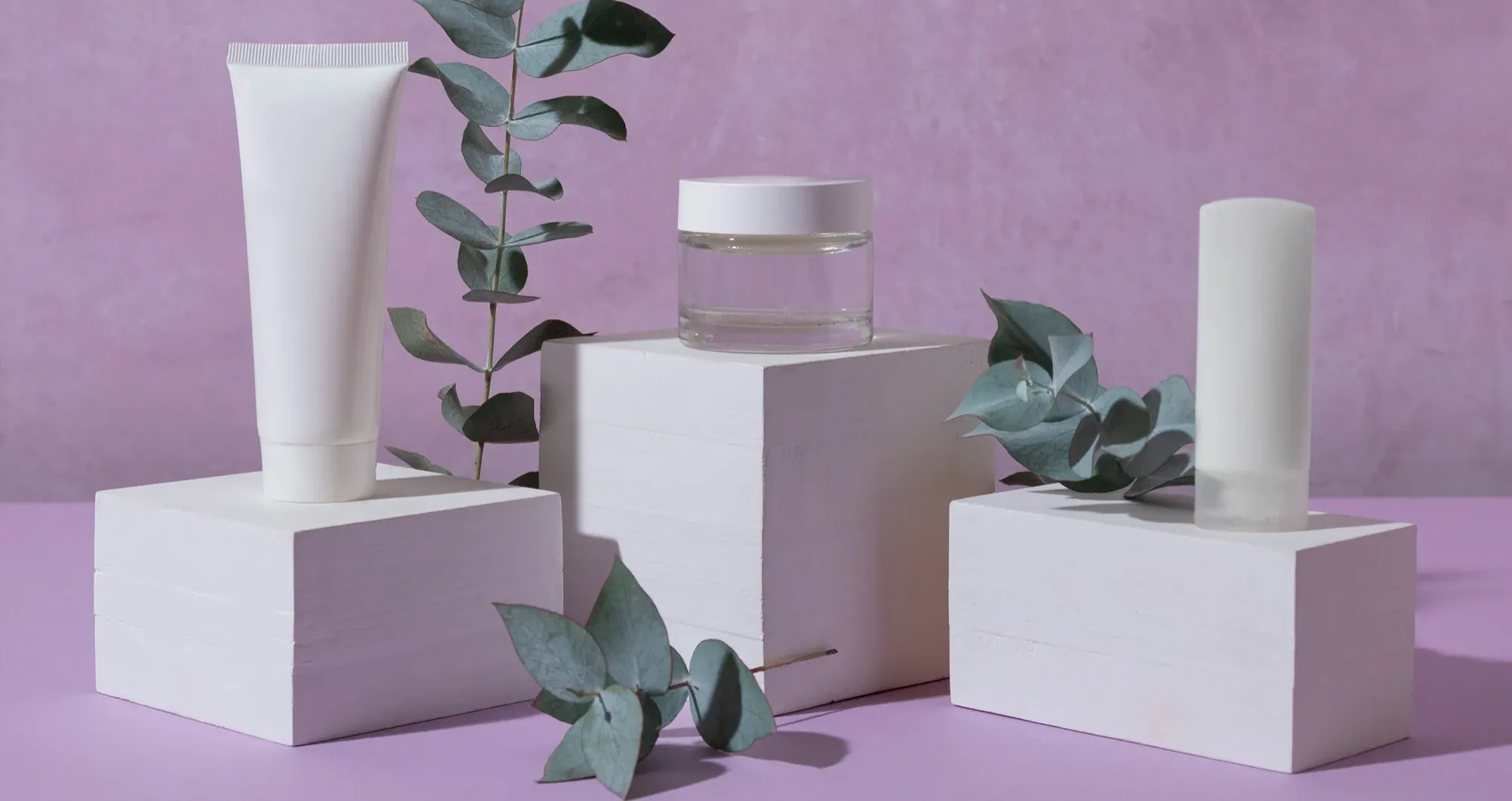
The beauty product market has never looked more promising for online sellers. Beauty and wellness sectors are set to hit US$785 billion by 2027, and online sales have seen remarkable growth. The numbers tell an impressive story – beauty ecommerce sales jumped from $45 billion in 2018 to $99 billion in 2023.
British entrepreneurs have a perfect chance to start their beauty business from home. The UK’s beauty and personal care market stands at £13 billion with a steady annual growth rate of 2.17%. Online sales will make up 44.2% of total revenue in 2023. These numbers make it the right time to launch your home-based beauty business.
The market splits into distinct segments. Skincare leads with 41% market share, followed by haircare at 22% and makeup at 16%. This piece will help you direct your path through this competitive space. Shopify alone hosts about 32,000 beauty and cosmetics stores, so standing out takes careful planning. We’ll show you everything – from picking your niche to setting up your store and marketing your products the right way.
Understanding the UK Beauty Ecommerce Opportunity
The UK beauty industry shines as one of the most exciting and profitable markets for online entrepreneurs. You need to understand this dynamic landscape before starting your beauty ecommerce business. Consumer behaviour keeps changing, and the market keeps growing.
Market size and growth trends
The UK beauty market shows impressive strength and expansion. The UK ranks as the sixth largest online beauty market globally and brings in £1.3 billion yearly. Recent industry reports value the UK beauty and personal care market at £43.56 billion in 2023. Experts predict steady growth at a CAGR of more than 2% between 2023 and 2028.
The sector bounced back strong after recent economic hurdles. The British Beauty Council reports an 11% growth in 2023. Total sales hit £27.2 billion – close to the pre-pandemic average of £28 billion. The industry added £13.5 billion to UK GDP directly, which makes up 0.5% of the nation’s total GDP.
Online channels have seen remarkable growth. Online beauty sales grew 11% year over year in the first quarter of 2024. This growth outpaced overall online retail. The industry’s online revenue jumped from 28% to 40% between 2019 and 2022. Online sales should make up 19.2% of total beauty and personal care revenue in 2024.
Why now is the right time to sell beauty products online
The UK beauty e-commerce space looks promising thanks to several key factors:
- Online shopping grows faster – About 28% of UK consumers buy health and beauty products online. This number should reach 56.3% by 2025.
- Consumer spending stays strong – British shoppers keep spending on self-care and personal appearance, even during tough economic times.
- Customer priorities evolve – The market sees big changes toward sustainable and ethical products. To cite an instance, see how 91% of Gen Z consumers prefer sustainable brands. This creates room for new brands with purpose-driven products.
Social media has altered the map of how people find and buy beauty products. Shoppers love connecting with beauty brands, influencers, and vloggers on Instagram, TikTok, and Facebook. This opens up many ways to market creatively, reach more people, and get more website visits. The UK leads Europe in “clean” cosmetics launches. It made up 21% of all global “clean” colour cosmetics launches in 2018. Natural and organic products are gaining popularity too, with sales up 13% in 2020.
The online beauty scene keeps changing. Amazon holds 35.1% value share of online beauty sales in the UK. Yet specialist retailers like Cult Beauty and Beauty Pie gain ground, especially with millennials. These retailers see impressive average order sizes of £65.40 and £63.50. The UK beauty e-commerce market offers great potential in 2025 and beyond. Entrepreneurs who build unique brands and use current consumer trends can find success here.
Choosing the Right Beauty Products to Sell
Picking the right products is the most significant decision you’ll make as you start your beauty business. The UK market has plenty of opportunities. Your success depends on finding products that line up with what consumers just need while finding your own place in this competitive market.
Top-selling categories in the UK
Beauty sales in the UK show clear winners in different categories. Skincare dominates with an impressive 41% of the global cosmetics market. Haircare products come in at 22% and makeup follows at 16%. Maybelline’s viral Lash Sensational Sky High Mascara still rules as Boots’ top-selling self-selection makeup product for the second year running. No7’s Future Renew range took over 2023 sales. Their Future Renew Serum became the year’s best-selling skin care product overall.
Hair health products are gaining ground. More than a third of Boots’ customers have bought a hair care product. Watermans has become “the most searched for haircare brand in the world.” The brand has led Amazon sales for two years straight.
Trends in ethical and sustainable beauty
Green beauty products have altered the map of the UK market. 91% of British beauty shoppers think about sustainability and ethics before buying beauty products. All the same, trust remains an issue. Only 16% of UK consumers find beauty brands’ sustainability claims “very trustworthy”. Nature and animal welfare top shoppers’ ethical priorities. 77% of beauty consumers rate cruelty-free and vegan claims as vital factors. Recyclable packaging comes close at 76%.
Organic beauty sales are growing faster, with a 13% increase in 2020. British shoppers, especially 91% of Gen Z consumers, choose brands with clear, honest practices. UK-based brands like Neal’s Yard (the world’s first health and beauty company with a perfect 100/100 ethics score) and Bee Zero Waste (with palm oil, paraben, and sulfate-free products) represent this ethical movement.
How to find your niche
Finding a specialised niche makes more sense than competing with 20-year-old brands head-on. Several niche categories in the UK market have shown impressive growth:
- Men’s cosmetics – Shakeup Cosmetics has created successful hybrid makeup/skincare products just for men
- Menopause beauty – Made of More and similar brands create products for 40+ hormonal skin
- Microbiome beauty – Gallinée leads the way with products that support skin microbiome health
- Melanin-rich skincare – People with darker skin tones make up most of the global population. Yet, specialised products for melanin-rich skin are nowhere near enough
Your niche selection should match your passion with market demand. Look at your beauty interests and expertise first. Then explore market trends and opportunities. Next, figure out what makes your beauty business special – through specialised treatments, quality ingredients, or new technology. Testing your concept before going all-in is smart. Market research can help you confirm emerging trends, customer priorities, and gaps in the market. This approach helps you build a strong niche while reducing risks as you launch your UK beauty ecommerce business.
Building Your Shopify Store for Beauty Products
Beauty entrepreneurs in the UK love Shopify. The numbers speak for themselves – 192,874 health and beauty stores are already crushing it on this platform.
Why Shopify is Ideal for beauty e-commerce
Shopify gives beauty brands a rock-solid foundation to build on. The platform’s stats are impressive. You get unlimited bandwidth, space to handle 3 million visitors per second, and the ability to process 10,978 orders per minute with 99.99% uptime. Your store stays up and running even during those crazy-busy sales periods. Social media plays a huge role in beauty sales. Shopify’s social features let brands utilise influencer buzz and turn casual social interactions into actual sales. This matters a lot since beauty shoppers really need that social proof before they buy.
“Connecting Shopify to our social media platforms allowed us to capitalise on celebrity engagement and turn a spontaneous event into sales,” reports one successful beauty brand.
Essential Shopify features for beauty brands
Beauty entrepreneurs will love these Shopify features:
- Financial management integration – QuickBooks and Shopify work together to handle finances and export data straight to accounting software, which arranges inventory and budget
- Customer Pricing App – Perfect for beauty brands that need wholesale pricing for pros – registered accounts see their own special pricing
- Mobile optimisation – This really matters since 79% of Shopify store traffic comes from mobile devices, and mobile apps convert 3x better than mobile websites
- Social shopping integration – Shoppers can buy right through Facebook and shop Instagram feeds, which turns social buzz into sales
Design tips for a high-converting store
A successful beauty store needs some specific design elements. Your layout should be clean and organised with stunning product photos and detailed descriptions. One beauty merchant who’s crushing it says,
“If your images are clean and pretty and product descriptions thorough, a good product will sell itself”.
Mobile navigation should include quick search results. Customers need to filter by skin concerns, priorities, and product types. Beauty shoppers often look for specific solutions, so an easy-to-use shopping experience matters. Product pages should focus on customer concerns and results. Add specifics about active ingredients, concentration percentages, and pH levels. These technical details help customers and search engines understand your products better.
Need some inspiration? Take a look at the Best Health and Beauty Websites on Shopify to see how the top brands do it.
Smart apps can boost your store’s performance. Virtual try-on tools and interactive quizzes help shoppers find products that match their skin type and needs. This tailored experience leads to more sales.
Creating a Memorable Brand and Product Experience
A standout brand experience turns one-time buyers into loyal customers. Beauty entrepreneurs who sell products online should focus on three key elements to create this exceptional experience.
Packaging and product presentation
Your product packaging does more than protection in the beauty industry—it tells your brand story and values to potential customers. One in three customers make their buying decisions based on product packaging alone. Your packaging strategy should:
- Balance functionality and practicality with aesthetics. Your packaging must allow easy opening/closing, hygienic dispensing, and protection from contamination.
- Think over sustainability since 87% of customers want major online retailers to cut down on plastic packaging. Brands like Rén show success with minimalist designs that feature refillable glass bottles and bamboo lids.
- Create design elements that speak to your target audience. Start with a mood board to visualise your brand style before adding logos, colours, and fonts.
Writing effective product descriptions
Product descriptions should tell a story that connects with customers emotionally, which can boost your conversion rate by a lot: Your copy should highlight benefits over features. Rather than just saying “contains hyaluronic acid,” tell customers how it “deeply hydrates your skin, leaving it soft and smooth all day”. This helps them picture the results.
Add sensory language to create vivid mental images. Skip simple descriptions like “this lipstick is red.” Instead, write “this vibrant red lipstick adds a pop of colour to your lips, making them look bold and confident”. Keep descriptions scannable with headlines, bullet points, and strategic white space. Most customers read only the first 100 words of a product description, so make every word count.
Using quizzes and bundles to personalize shopping
Customised shopping experiences are becoming crucial in beauty e-commerce. Vogue Business Beauty Index shows 83% of beauty consumers buy over half their products online. Yet 77% feel frustrated without personalized shopping experiences.
Interactive quizzes are a great way to get customers to make buying decisions through customised product recommendations. Research shows that almost half of online shoppers make impulse purchases after exceptional customised experiences.
Product bundling boosts average order value while making customer decisions easier. Successful bundle strategies include:
- Essentials bundles with simple products at discounted rates
- Theme-based bundles like skincare routines (cleanser, toner, moisturiser)
- Problem-solution bundles that target specific skin concerns
These elements work together to create a memorable brand experience that helps you stand out in the UK’s competitive beauty market.
Marketing and Growing Your Beauty Brand Online
Your real marketing work starts after your beauty store goes live. Smart promotion strategies can turn a small beauty startup into a successful online business.
Social media and influencer strategies
Beauty product marketing runs on visual platforms. Instagram and TikTok have become powerhouses for beauty brands, and Instagram Shopping and Stories drive real sales. Raw, unrehearsed demonstrations work better than overly produced visuals to create authentic content that customers love. Beauty buyers get product information from influencers – about 67% of them. Size isn’t everything in influencer marketing. Micro-influencers with targeted audiences of a few thousand to 100,000 followers often bring better results at lower costs. Their engagement rates typically exceed those of bigger accounts.
Make use of user-generated content by asking followers to feature your products. Your relationship with existing followers grows stronger when you repost and interact with UGC, while reaching new audiences simultaneously.
Email and SMS marketing for retention
Beauty brands see exceptional ROI from email marketing. Health and beauty emails achieve a 37.82% average open rate, while top performers reach 54.81%. Audience segmentation based on skin concerns or priorities helps deliver personalized recommendations that work. SMS marketing achieves near-instant open rates by cutting through the noise. Beauty brands achieve an average 14.2% clickthrough rate on SMS campaigns. Time-sensitive offers, special promotions, and appointment reminders work well here.
Specific email flows work best for welcome sequences, abandoned carts, and product launches. Educational content like tutorials mixed with promotional messages helps maximise engagement.
Loyalty programs and seasonal campaigns
Loyalty programs reshape the beauty industry scene. Brands like Ulta generate 95% of sales from program members. Programs with tiered structures, diverse rewards, and personalisation bring the best results.
Popular loyalty formats include:
- Points-based programs that reward purchases
- Value-based programs recognising reviews and referrals
- Tiered structures offering increasing benefits
- Paid subscription models with exclusive perks
Seasonal marketing creates buzz and urgency. Holiday campaigns need bold, eye-catching creatives that line up with seasonal themes. Smart brands plan strategies to keep new customers they gain during peak seasons.
Take Your First Steps Toward Beauty E-commerce Success
The UK beauty ecommerce world offers huge potential to entrepreneurs who want to make their mark in this booming industry. Much of the £13 billion beauty sector now comes from online sales, and the market keeps growing rapidly. Success in this competitive space needs smart planning. Your foundation starts with picking the right product category—skincare, haircare, or makeup. A specialised niche helps your brand stand apart from 10-year-old players in the market. The opportunities look promising in ethical and sustainable beauty products, as 91% of British consumers value these aspects.
Shopify proves perfect to launch your beauty business. The platform delivers reliability, mobile optimisation, and smooth social integration. Your store can turn casual browsers into loyal customers through eye-catching packaging, engaging product descriptions, and customised shopping experiences. Marketing strategies drive your growth forward. Social media campaigns work together with micro-influencer partnerships. Targeted email sequences and well-laid-out loyalty programs build brand awareness and keep customers coming back.
Starting a beauty e-commerce business might look daunting at first. But your Shopify beauty store can flourish with proper planning, genuine branding, and steady execution. Begin small, test your ideas, and adjust based on what your customers say. Soon enough, you could join the UK’s rising stars of beauty entrepreneurs. Remember—successful beauty brands grow from passion, determination, and flexibility to adapt to changing customer priorities. Your beauty e-commerce experience begins right here.
link